Carpet Cleaning Fort Collins, CO: Common Mistakes to Avoid
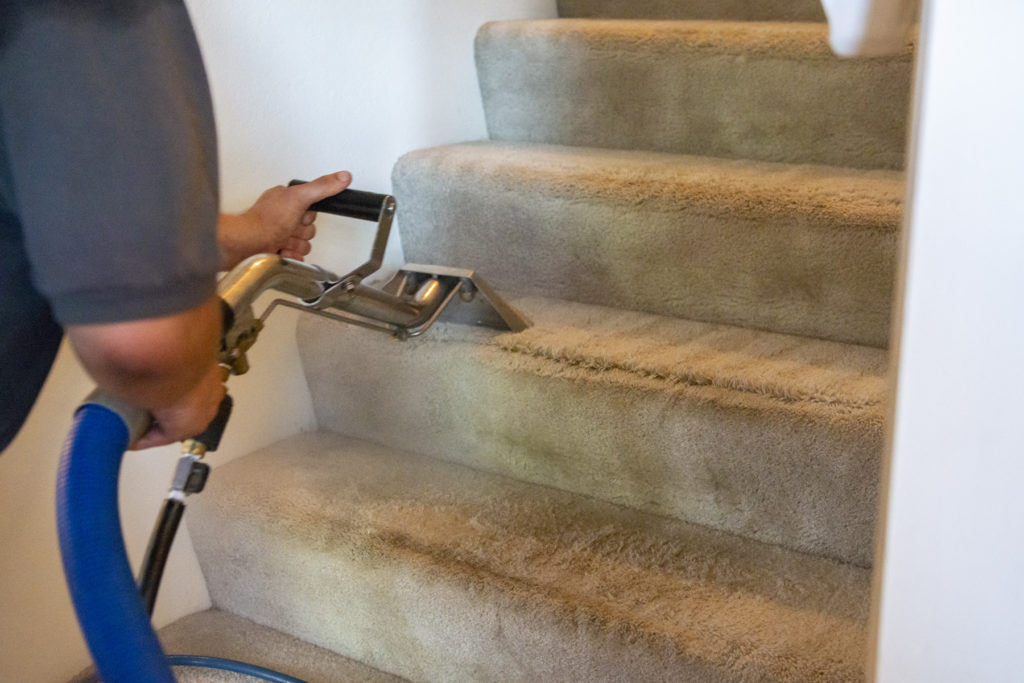
Carpet has a way of hiding problems until they become expensive. A floor that looks "mostly fine" can Carpet Cleaning Fort Collins, CO tlccarpetcleaningnortherncolorado.com still hold grit, salts, pet residue, pollen, and moisture deep in the pile. By the time the discoloration shows up, or a room starts to smell stale, the fibers have often taken more abuse than homeowners realize.
That is especially true in Fort Collins. Between dry summer dust, spring allergens, winter slush, and the everyday wear that comes from kids, pets, and busy households, carpets here take a beating year-round. I have seen beautifully made carpet lose years of life because of a handful of preventable mistakes, and I have also seen older carpet come back surprisingly well when it is handled correctly.
If you are thinking about Carpet Cleaning Fort Collins, CO, the biggest wins usually come from avoiding the wrong approach rather than chasing miracle products. Most carpet damage does not happen in one dramatic moment. It comes from small decisions, repeated over time: scrubbing too hard, soaking a spill, renting the wrong machine, or waiting so long between cleanings that soil turns abrasive.
The hidden cost of doing it wrong
People often judge carpet care by the immediate visual result. If the spot looks lighter or the room smells fresher, they assume the job was successful. The trouble is that carpet is a layered system, not just a fabric surface. You have face fibers, backing, adhesives, padding, and often a subfloor underneath. A method that improves the appearance for a day can quietly create a much larger problem below.
I have walked into homes where a homeowner was proud of a weekend cleaning project, only to find tack strip rusting at the perimeter, seams beginning to separate, or odor worsening a week later because the carpet had been left too wet. Those repairs cost far more than a proper cleaning would have.
A lot of common mistakes come from understandable instincts. You want to attack a stain quickly. You want to use "extra soap" because soap means clean. You want to rent a machine instead of scheduling a service. None of those choices is automatically wrong. The issue is execution and judgment. Carpet responds well to the right chemistry, controlled moisture, agitation that fits the fiber, and adequate drying time. When one of those elements is off, trouble follows.
Mistake one: waiting until the carpet looks dirty
This is one of the most common and most expensive habits. Carpet is excellent at hiding soil. Fine dust and grit settle below the visible tips of the fibers, which means a carpet can appear decent while still carrying pounds of embedded debris. That debris acts like sandpaper under foot traffic. Every step grinds it against the yarn, dulling the texture and wearing away color.
In Fort Collins, dry conditions can make this worse. Dust tracks in easily, and during snowy months, de-icing residue and slushy moisture add another layer of stress. If you wait until traffic lanes look gray or matted, you are already behind. At that point, cleaning can improve the appearance, but it cannot undo abrasion that has already worn the fibers.
A more practical approach is to clean based on use, not appearance. A low-traffic guest room may go much longer between deep cleanings than a family room where the dog sleeps and everyone enters from the garage. Most households benefit from routine professional cleaning before the carpet looks bad. That timing keeps soil load lower and makes each cleaning more effective.
Mistake two: using too much water
Overwetting causes more carpet problems than most people expect. Homeowners often think a thorough cleaning means saturating the carpet. In reality, excess water is risky, especially if extraction is weak or airflow is poor.
The carpet itself may dry on top while the backing and pad remain damp for a day or two. That trapped moisture can lead to musty odor, browning, wicking, and in some cases damage to the pad or subfloor. I have seen basement rooms where a "deep clean" turned into a lingering moisture issue simply because the windows stayed closed and the machine lacked enough suction to remove what it put down.
Fort Collins homes vary quite a bit, from older properties with original flooring systems to newer builds with tighter envelopes and different humidity patterns. In either case, controlled moisture matters. Professional cleaners who know what they are doing do not just apply water. They balance solution volume, agitation, dwell time, extraction strength, and drying conditions.
A carpet should not feel swampy after cleaning. Slight dampness is normal. Hours of squishing underfoot is not.
Mistake three: oversoaping the carpet
Soap residue is one of the classic causes of rapid resoiling. The carpet may look clean right after treatment, but leftover detergent acts like a magnet for dirt. A week or two later, the same traffic lane looks worse than before, and the homeowner assumes the carpet is somehow impossible to maintain.
This happens all the time with DIY spot cleaners, rented machines, and heavy-handed use of off-the-shelf products. The instinct makes sense: if a little cleaner helps, more should help more. In carpet care, that is rarely true. Most products work best at a specific dilution. Go beyond that, and you create a sticky residue problem that is difficult to rinse away fully without proper extraction.
I once inspected a light beige carpet where every previous spill had been attacked with retail foam cleaner. The visible stains were not the main issue anymore. Instead, each treated area had turned into a dirt halo because residue remained in the pile. The fix required a careful rinse and extraction process, not another round of stronger chemicals.
If you do any spot treatment yourself, less is usually better. Apply only what you need, blot patiently, and avoid turning the carpet into a chemistry experiment.
Mistake four: scrubbing stains instead of blotting and lifting
Panic is hard on carpet. Someone spills coffee, red juice, or pet mess, and the first reaction is often aggressive scrubbing with a towel or brush. That can drive the stain deeper, spread it wider, fuzz the fibers, and distort the pile enough to leave a permanent worn patch even after the stain is removed.
The safer approach is to remove bulk material first, then blot from the outside toward the center. That reduces spreading and keeps the contamination moving up into your towel instead of down into the backing. Scrubbing also generates friction heat, which can set some stains and damage delicate fibers.
This matters even more with certain carpet types. Olefin reacts differently than nylon. Wool needs far more care than most synthetic carpeting. A stain removal method that seems harmless on one material can cause color loss, texture distortion, or browning on another. That is one reason experienced technicians spend time identifying the fiber before choosing a treatment.
Mistake five: treating every stain with the same product
Not all spots are created equal. Grease, wine, urine, rust, cosmetics, soil filtration lines, and mystery stains from a kid's bedroom do not respond to one universal bottle. Using the wrong cleaner can waste time at best and lock in the problem at worst.
For example, alkaline cleaners may perform well on oily soils but create issues on wool. Oxidizers can help on organic staining but may lighten dyes if misused. Some pet accidents need more than surface cleaning because the real contamination is in the pad. A stain can disappear visually while odor remains underneath, then return when humidity rises.
This is where judgment matters more than product marketing. Good carpet cleaning is often a process of elimination and controlled testing, especially when the stain is old or has been treated multiple times before. A technician who understands chemistry and fiber construction will usually start with the least aggressive effective option and escalate only when necessary.
Mistake six: renting equipment without understanding its limits
Rental machines have their place. For small apartments, light maintenance, or a quick refresh before guests, they can be useful. The problem is that many people assume these machines perform like commercial truck-mounted or high-grade portable extraction systems. They usually do not.
Most rental units deliver less heat, less vacuum power, and less effective water recovery. That means the carpet often gets wetter and stays wetter longer. If the user moves too quickly, soil stays behind. If the user goes too slowly with repeated wet passes, the carpet gets saturated. Either way, the result can be underwhelming.
There is also the issue of how rental machines are used before they reach you. They are shared equipment. Maintenance quality varies. Hoses, jets, and recovery tanks may not be as clean as you would hope. In a heavily soiled household with pets, stairs, and traffic lanes, a rental machine may do enough to brighten the surface while leaving a substantial amount of contamination behind.
That does not mean you should never rent one. It means you should be realistic. A rental machine can supplement routine care, but it is not always a substitute for professional Carpet Cleaning Fort Collins, CO, particularly if odor, pet contamination, or deep soil are involved.
Mistake seven: ignoring dry soil removal before wet cleaning
One of the simplest mistakes is skipping thorough vacuuming before any wet process begins. Dry soil is easier to remove when it is dry. Once you add moisture, some of that loose particulate turns muddy and becomes harder to extract.
I have watched well-meaning homeowners spend hours shampooing carpet that needed a serious slow vacuum first. It is like mopping a floor without sweeping it. You can do it, but you are making the rest of the process less effective.
A strong pre-vacuum matters even more in homes with shedding pets, kids who snack in living areas, or entryways that collect dirt from the yard. Fort Collins weather patterns can track in everything from dusty grit to winter residue, and those particles settle quickly.
Mistake eight: skipping professional help for pet accidents
Pet spots are where do-it-yourself carpet cleaning most often falls short. Surface spotting can remove the visible mark, but urine rarely stays at the surface. It moves down, spreads outward, and can soak the pad or even reach the subfloor, depending on volume and how quickly it is addressed.
Homeowners often think the problem is solved because the room smells better right after cleaning. Then, on a warm afternoon or during a humid spell, the odor returns. That is because the source was not fully treated. Standard cleaners may mask it temporarily, but they do not always break down the contamination.
The challenge gets tougher when previous cleaning attempts have pushed the residue deeper. By the time a professional is called, the stain may have wicked back, the odor may have spread, and repeated product use may have left residue. At that stage, proper treatment can involve targeted flushing, enzyme or oxidizing treatments, and in severe cases lifting the carpet to inspect the pad.
Pet issues are a good example of when early intervention saves money. A fresh accident is much easier to correct than a six-month-old problem in the same spot.
Mistake nine: assuming all professional services are equivalent
Homeowners sometimes shop carpet cleaning by the lowest advertised room price, then wonder why the result feels rushed or incomplete. Price matters, of course, but it is not the only measure. The method, training, equipment, chemistry, and time spent on site all influence the outcome.
A quality service usually begins with inspection. The technician should look at fiber type, traffic patterns, spotting, and any concerns like pet odor or previous damage. Pre-treatment should match the condition of the carpet. Extraction should be thorough. Drying advice should be specific. If someone promises a whole-house restoration in a suspiciously short visit at a rock-bottom rate, something is probably being skipped.
This is where local experience matters. Someone who regularly handles Carpet Cleaning Fort Collins, CO, understands the regional mix of weather-related soil, hard water concerns in some homes, and the practical drying challenges that come with seasonal conditions. That kind of familiarity leads to better decisions on site.
What homeowners should do right after a spill
Quick action helps, but the right action helps more. If a spill lands on your carpet, keep it simple and controlled.
- Blot immediately with clean white towels or paper towels, pressing down rather than rubbing.
- Remove solids gently with a spoon or dull edge before adding any moisture.
- Use a small amount of appropriate spot treatment or plain water if you are unsure, then blot again.
- Rinse lightly if product was used, and continue blotting to reduce residue.
- Place fresh towels over the area and weigh them down for a short time to pull up remaining moisture.
That short routine prevents a lot of damage. The main goal is to absorb and lift, not scrub and soak.
Mistake ten: failing to protect the carpet after cleaning
Freshly cleaned carpet is not bulletproof. In fact, the hours after cleaning are a vulnerable period because fibers are still drying and oils from shoes or bare feet can transfer easily. If furniture is moved back too soon without protection, wood stain or metal rust can bleed into the carpet. I have seen perfect cleaning results ruined by chair legs left directly on damp pile.
Good post-cleaning care is straightforward. Limit traffic until the carpet is mostly dry. Use tabs or blocks under furniture legs if recommended. Keep air moving. Replace filters if the home has been particularly dusty. In homes with pets or children, it also helps to keep everyone out of the room longer than you think necessary.
The broader point is that cleaning is not a single moment. It is a process that includes preparation, the service itself, and the drying window afterward.
How often makes sense in Fort Collins
There is no universal schedule, but there are practical ranges. A one- or two-person household with no pets and low traffic may be fine with professional cleaning every 12 to 18 months. A busy family with children, dogs, and active entryways may need it every 6 to 12 months, especially in the main living areas. Some homes benefit from partial cleanings more often, with full-house service less frequently.
The right schedule depends on how the carpet is used, not just how it looks. If you wait for visible dullness, you are usually past the ideal point. If allergies are a concern, or if you have large rugs and wall-to-wall carpet acting like a filter for indoor particles, a more proactive schedule often feels noticeably better.
A short checklist for choosing help wisely
When hiring a carpet cleaner, a few practical questions will tell you a lot about the service quality.
- Ask what cleaning method they recommend for your carpet and why.
- Ask how they handle pet odor, old stains, or high-traffic lanes.
- Ask what drying time is typical in your situation.
- Ask whether pricing includes pre-treatment and spot work or if those are extra.
- Ask what you should do before and after the appointment for the best result.
A good company should answer clearly, without evasion or vague promises.
The difference between a clean-looking carpet and a healthy one
This is the part many people miss. A carpet can look brighter and still hold residue, moisture, and odor sources. It can also look older than it really is because soil load has compacted the fibers. Effective cleaning addresses more than appearance. It restores feel, improves indoor freshness, and reduces the abrasive material that shortens carpet life.
That is why common mistakes matter so much. They do not just affect this weekend's result. They influence whether the carpet lasts five more years or starts showing wear far earlier than it should. They affect whether a pet issue remains manageable or turns into pad replacement. They determine whether a room feels clean or simply smells like fragrance for a day.
For homeowners thinking about Carpet Cleaning Fort Collins, CO, the best approach is usually not dramatic. It is consistent, informed, and a little restrained. Use less product, less panic, and more judgment. Clean before the carpet begs for it. Respect moisture. Treat stains according to what they are, not what the label on a random spray bottle claims it can handle.
Carpet rewards that kind of care. It stays softer, looks better longer, and gives you fewer unpleasant surprises hiding under the surface.
TLC Carpet & Air Duct Cleaning
921 E Prospect Rd, Suite C
Fort Collins, CO 80525
(970) 352-8176
FAQ About Carpet Cleaning Fort Collins, CO
What is the best time of year to clean carpets in Fort Collins, CO?
Choose a day when you can give the carpet time to dry and keep foot traffic low. Ventilation and indoor humidity can matter more than the season.
How long will my carpet take to dry after cleaning?
Drying time varies with the carpet, cleaning method, humidity, and airflow. Ask the technician for an estimate and when to move furniture back.
How do I prepare my home for carpet cleaning?
Pick up small items, clear a path for equipment, and point out stains or delicate fibers. Ask the cleaner which furniture they can move and what needs to be moved before the visit.